Bangladesh is widely recognized as one of the world’s most climate-vulnerable nations, yet it has emerged as a quiet innovator in sustainable finance. While rising sea levels, cyclones, and erratic rainfall threaten livelihoods and infrastructure, Bangladesh is demonstrating how financial policy, green innovation, and resilience-driven investments can reshape national development pathways.
Bangladesh’s Policy Leadership in Sustainable Finance
Over the past decade, Bangladesh has built one of the most comprehensive sustainable finance ecosystems in the Global South. Key policies include:
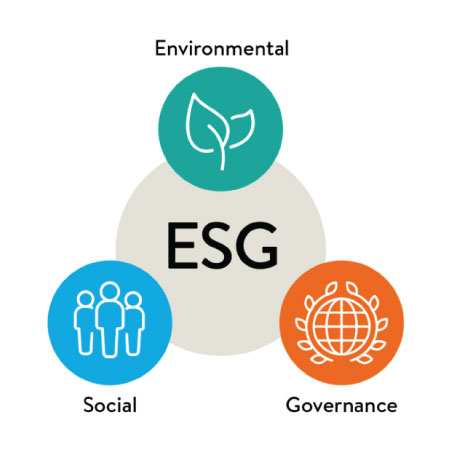
Bangladesh Bank Sustainable Finance Policy (2020): Mandates banks and NBFIs to allocate funding for green finance, sustainable enterprises, and ESG-integrated lending.
Environmental & Social Risk Management (ESRM) Guidelines (2017): Requires all financial institutions to conduct environmental and social due diligence before lending.
Green Refinance Schemes: Special credit windows for renewable energy, ETPs, energy efficiency, sustainable agriculture, and cleaner production technologies.
Climate Risk Management Guidelines: Introduces climate vulnerability assessments and stress testing into the banking sector.
These policies position Bangladesh as a regional leader in green monetary policy, enabling banks to channel capital toward climate adaptation and low-carbon development.
Global Perspectives: Why Bangladesh Matters
Bangladesh’s model mirrors global calls from the UNFCCC, World Bank, GCF, and IPCC, which emphasize:
Climate resilience must be financed, not only planned.
Developing countries need policy-backed financial systems to mobilize green investment.
Adaptation financing yields higher long-term returns than disaster recovery.
Bangladesh’s experience aligns with global priorities and offers a replicable blueprint for countries in Asia, Africa, and small island states.
The Path Forward
To scale climate resilience, Bangladesh must expand investment in:
Renewable energy
Circular economy solutions
Blue economy development
Sustainable urbanization
Advanced climate risk analytics
Public–private climate finance partnerships
With strong policy foundations and growing global recognition, Bangladesh is well positioned to become a global model of climate resilience through sustainable finance.