
- March 24, 2025
- Posted by: Debobrota Kumar Sarker
- Category: ESG Advisory

Sustainable Manufacturing Leadership in Bangladesh: An ESG Roadmap for RMG, Textile & Leather
Sitting at the heart of Bangladesh’s economy are its Ready-Made Garments, textile, and leather industries, collectively offering work to millions, guiding export earnings, and supporting an entire community. Through it all, over the past twenty years, these industries have shown their staying power in a demanding global market. Today, however, the definition of competitiveness is changing: cost and capacity no longer cut it. Sustainability-measured through Environmental, Social, and Governance performance-has become central to long-term success.
In the Bangladeshi context, ESG is not an abstract global concept; rather, it is a tangible business reality shaped by buyer expectations, regulatory reforms, financial access, worker welfare, and environmental constraints. The building of a realistic ESG roadmap has now become crucial to sustainable manufacturing leadership.
Why ESG Matters More Than Ever for Bangladesh
Bangladesh’s manufacturing success has been built on scale, speed, and availability of workforce. In parallel, the country presents a number of unique challenges: high population density, water stress, climate vulnerability, infrastructure constraints, and intense global scrutiny of labor practices. International brands, investors, and regulators increasingly expect transparency, traceability, and measurable ESG performance across supply chains.
For Bangladeshi manufacturers, ESG is no longer about “passing audits.” It directly impacts:
- Buyer retention and order continuity
- Access to trade finance and sustainability-linked loans
- Insurance costs and operational risk
- Reputation at factory as well as national level
Factories leading on ESG are transitioning from price-takers to preferred partners, while laggard factories shrink their margins amid mounting uncertainty.
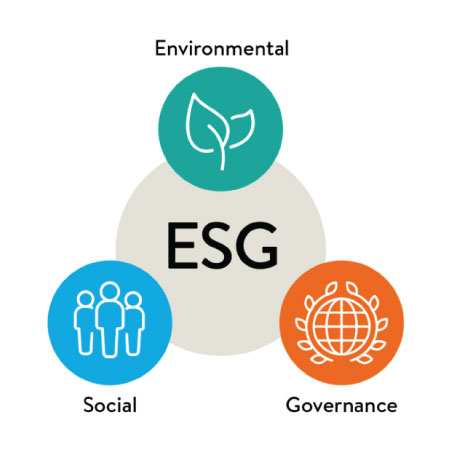
Social Sustainability: The Human Foundation
The social dimension of ESG has a deep connection with Bangladesh’s manufacturing identity. Millions of workers, most of them females, depend on the RMG, textile, and leather sectors for livelihood. Factory safety, fair wages, working hours, and dignity at work are not only compliance requirements but social responsibilities.
Bangladesh has over the years upgraded in terms of factory safety, structural integrity, and workplace standards. However, the challenges remain unresolved, such as wage pressure, turnover, skill development, and psychological wellbeing.
According to a Bangladesh perspective, a strong social ESG roadmap emphasizes the following:
- Safe and healthy workplaces as minimum, not a differentiator
- Respective labor relations, coupled with effective grievance mechanisms
- Competency Enhancement: Relate Productivity to Better Income Opportunities
- Based on workforce realities, demonstrate gender inclusion and leadership pathways
Companies that invest in people often reap very real business rewards: higher productivity, lower absenteeism, and greater buyer trust. Social sustainability is not philanthropy; it’s smart business.
Environmental Reality: Progress Under Pressure
Environmental sustainability is often the most visible ESG challenge for Bangladesh’s manufacturing sectors. The manufacturing of RMG, textiles, and leather is highly resource-intensive in terms of water, energy, and chemicals. At the same time, Bangladesh has made some notable progress compared to many peer countries.
Many factories have invested in efficient machinery, effluent treatment plants, water recycling, and energy-saving technologies. The country is now home to some of the world’s most environmentally certified garment factories. It shows that sustainability and industrial growth are moving along together.
Yet, the reality is uneven: smaller and mid-sized factories often struggle with financing, technical capacity, and implementation timelines. A pragmatic environmental roadmap for Bangladesh centers on gradual betterment, not perfection.
- Water management via process optimization and reuse and through dependable treatment systems
- Energy efficiency first-Phased renewal adoption where feasible
- Chemical use accountability, according to buyer requirements and worker safety
- Waste reduction and recycling, especially fabric waste and sludge management.
In Bangladesh, environmental leadership in Bangladesh is about doing what is practical today while preparing for stricter standards tomorrow.
Governance: The Silent Enabler
Governance is often the ‘poor cousin’ in ESG discussions for Bangladesh, but it really is the pillar determining success or failure in both environmental and social directions. Weak governance results in inconsistent compliance, reactive decision-making, and reputational risks.
Governance leadership, in cases of RMG, textile, and leather manufacturers, means:
- Clearly defined ownership of ESG issues at senior management levels
- Clear policies and documentation in line with local laws and buyers’ code.
- Strong Internal Controls over Compliance, Procurement, and Subcontracting
- Ethical business operations and truthful reporting.
Good governance helps factories move from “audit-driven compliance” to structured risk management. It strengthens credibility with banks, insurers, and international partners.
ESG and Access to Finance in Bangladesh
One of the most practical reasons ESG matters in Bangladesh today is financing. Banks and financial institutions, both local and international, are increasingly integrating ESG considerations into credit decisions. Sustainability-linked financing, green loans, and preferential terms are becoming more accessible to factories with credible ESG performance.
This can be a clinching advantage for manufacturers operating in a margin-sensitive environment. ESG-aligned factories tend to be viewed as lower risk, more stable, and better positioned for long-term growth.
A realistic ESG roadmap thus connects the dots between sustainability objectives and financial strategy: better cash flow efficiency, reduction of operational risk, and lower cost of capital over time.
Moving from Compliance to Leadership
In Bangladesh, ESG maturity among factories can vary widely, from some being truly a global benchmark to many others that have to navigate basic compliance. Sustainable Manufacturing Leadership does not need all the factories to be at an ‘Same’ level-it needs commitment, transparency, and Continuous Improvement.
A typical practical ESG roadmap includes:
- Baseline measurement of existing ESG performance
- Prioritization based on buyer requirements, regulatory risk, and financial capacity
- Phased Implementation: Realistic timelines and budgets
- Monitoring and reporting to show progress
- Continuous learning and adaptation as standards evolve
- It respects local realities within a globally expected framework.
Bangladesh’s Opportunity in a Changing World
As supply chains globalize, for example, buyers increasingly need partners who will guarantee reliability, responsibility, and resilience. Bangladesh has already proved change is possible. The test of leadership on sustainability going forward will be not so much what remains on display during audits but rather how well it is embedded in everyday business decisions.
For the RMG, textile, and leather sectors, ESG is not about foreign pressure; it’s about workers’ protection, resource preservation, improved governance, and making Bangladesh stand firm in a competitive global market.
From a Bangladesh perspective, leadership on sustainable manufacturing is not about blind mimicking of global models. It’s about building a roadmap reflective of local realities, global standards, and the long-term national interest. Factories that take up this journey today will define the future of Bangladesh’s industrial success.

Contact us at the DKS Capital Advisory office nearest to you or submit a business inquiry online.