
- July 27, 2025
- Posted by: Debobrota Kumar Sarker
- Category: Capital & Fundraising

From Concept to Reality: The Strategic Feasibility Study
Every major project begins with an idea: a new factory, a renewable energy plant, a real estate development, a technology platform, or an expansion into a new market. These are often founded upon optimism, ambitions, and a deep-seated belief in successful potential. However, the difference between a great idea and a successful project is great, and many initiatives are not at all successful due to poor ideas but through overlooking crucial risks right at the beginning. It is here that feasibility studies have their decisive and strategic function.
Feasibility studies are not just technical imperatives or documents done to appease banks or regulators. In essence, it is a systematic decision-making model that tests if an idea can be converted into an implementable, sustainable, and feasible project. This injects discipline into ambition by asking the right questions before capital time, and reputations have been committed.
Turning Vision into Informed Decisions
Entrepreneurs and project sponsors are necessarily optimistic. Optimism drives innovation and growth but can also cloud judgment. Feasibility studies inject objectivity into the process by underpinning assumptions with real data. They look at market demand, pricing dynamics, competitive landscape, supply chains, technology options, and operational capability. Decisionmakers build a clear picture of whether sufficient demand exists, how the project will compete, and what scale is achievable.
By grounding vision in evidence, feasibility studies can help transform ideas into informed decisions. Often, the outcome is not just a “go” or “no-go” but a refined strategy-reducing project size, changing technology choice, location, or target market-to enhance viability.
Managing Risk Before It Becomes Costly
It is, in fact, one of the most valuable roles: identifying risk. Projects fail most commonly because costs are underestimated, revenues are overestimated, regulatory hurdles arise, supply chains break, or operational constraints are abrupt. A well-prepared feasibility study highlights these risks early in the feasibility stage when they are still manageable.
Financial feasibility analysis covers capital requirements, cost of operations, cash flow sustainability, break-even time, and return expectations. Technical feasibility determines if the proposed technology, infrastructure, and processes are appropriate and scalable. Legal reviews are targeted at compliance with zoning and environmental, licensing, and policy frameworks. These analyses together present a realistic view of risk and reward.
The result of this early visibility is that proactive risk mitigation-by better planning, alternative sourcing, phased investments, or contingency structures-can be taken by project sponsors, rather than reacting well after losses have occurred.
Building Credibility with Investors and Lenders
Feasibility studies represent a signal of professionalism or seriousness for the investor or lender. Providers of capital are as much concerned with potential returns as they are with risk management, execution capability, and governance. A sound feasibility study indicates that a project has been thoughtfully considered, assumptions have been made somewhat transparently, and risks have been considered rather than hidden.
In many cases, financing decisions are actually hinged on the quality of the feasibility study. Clear financial models, realistic demand forecasts, sensitivity analysis, and implementation timelines-these help investors visualize downside scenarios and their potential recoveries. For banks, the feasibility study supports credit assessment by showing repayment capacity under various conditions.
Projects supported by credible feasibility studies tend to access capital more efficiently, on better terms, and with stronger long-term partnerships.
Aligning Strategy with Execution
Feasibility studies bridge the gap between strategic intent and operational reality by outlining implementation plans, resource needs, timelines, and dependencies. They are especially critical for large, complex projects, as they reduce execution risk by clarifying roles, responsibilities, and coordination among stakeholders. Beyond pre-investment evaluation, feasibility studies also serve as ongoing reference documents during implementation.
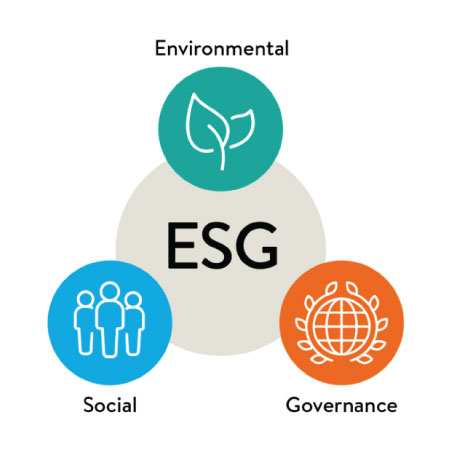
In the modern context, they increasingly integrate environmental, social, and governance considerations alongside financial analysis, helping projects meet regulatory requirements, gain stakeholder acceptance, and achieve sustainable, resilient long-term outcomes.
Knowing When Not to Proceed
Perhaps the most undervalued merit of a feasibility study lies in how it can spare unnecessary costs by avoiding serious mistakes. It is not a failure to decide not to pursue a project after proper feasibility analysis; it is a strategic success. In comparison, the cost of a feasibility study is trivially small against the losses incurred in pursuing a non-viable project.
Feasibility studies give a clear and unbiased judgment. Feasibility studies enable decision-makers to pause, redesign, and walk away when necessary. This discipline protects capital, preserves credibility, and allows resources to be realigned toward stronger opportunities.
From Concept to Reality
Feasibility studies are the bridge between conception and reality, connecting the ambition and execution. Assumptions are replaced by analysis; optimism, by realism; and uncertainty, by structured insight. Success, in a world that gets progressively complicated and competitive for business, goes to them that plan assiduously before they build.
Feasibility studies do not guarantee success-but they definitely give a strong edge to those who conduct them. They ensure that projects move ahead with clarity, confidence, and a sound foundation, transforming ideas into ventures capable of facing the challenges of the real world and delivering lasting value.

Contact us at the DKS Capital Advisory office nearest to you or submit a business inquiry online.