
- July 22, 2023
- Posted by: Debobrota Kumar Sarker
- Category: Climate Finance

Climate Finance Strategy Roadmap for Bangladesh: A Global Perspective
Bangladesh’s Climate Finance Strategy Roadmap is gaining attention worldwide as it tackles a significant question: Can a climate-vulnerable country raise finance quickly enough to protect people, sustain growth, and remain attractive to investors? Bangladesh is evolving its response, moving toward a clear goal: building climate resilience through a unified approach that includes projects as well as public budgets, banks, capital markets, and international partnerships.
Why Bangladesh matters globally
Bangladesh faces severe climate risks, including floods, cyclones, salinity intrusion, and heat stress. Despite this, it has established a strong policy framework for climate action. The National Adaptation Plan (NAP) 2023–2050 serves as a clear long-term plan for the Global South. It outlines a significant financial requirement: BDT 20,037 billion (about USD 230 billion) for the implementation period from 2023 to 2050. This figure is important globally because it highlights the need for systemic financing instead of scattered funding.
Another significant global indicator is Bangladesh’s growing emphasis on managing climate public finance. This effort includes monitoring and supervising climate spending rather than considering it an afterthought. Independent evaluations show that climate funding has risen as a share of total revised budgets, from 4.78% in FY2021 to 5.63% in FY2022.
Bangladesh’s domestic climate finance base: a credibility anchor
One reason Bangladesh is viewed seriously worldwide is that it hasn’t solely relied on outside funding. The country took early steps to create domestic financial instruments, including national climate funds. Research shows a strong domestic commitment through the Bangladesh Climate Change Trust Fund (BCCTF), which has committed around USD 450 million in government resources so far. This is significant because global climate finance increasingly rewards nations that can demonstrate their ability to execute plans rather than just proposing ideas.
Shift in strategy: “climate projects” and “climate pipelines”
Bangladesh has to move away from projects that are merely “good projects” to projects that form investment pipelines that are understood by banks and investors. The country has a framework in a NAP, but this has to be converted into investment pipelines in four sectors that are known and recognized as having great impact by international financiers:
- Resilient agriculture and water security (efficiencies in irrigation, flood-resistant crops, climate-smart extensions, water management).
- Resilient infrastructure/cities (with emphasis on drainage, flood defense, heat resilience, and nature-based solutions).
- Green industry and export competitiveness (enhancing energy efficiency, cleaner production methods, and water treatment).
- Coastal resilience and community protection (including salinity-resilient water sources, cyclone-resistant housing, and ecosystem protection).
These initiatives represent more than just climate actions; they also enhance productivity, secure supply chains, and minimize risks. They help minimize business interruptions, safeguard worker productivity, and stabilize exports.
The role of the financial sector: aligning risk and opportunity
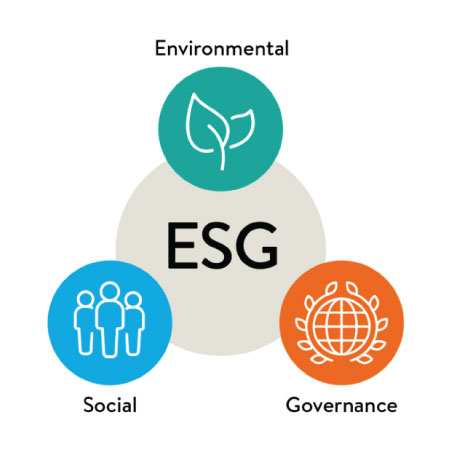
Bangladesh’s roadmap is unique because it regards banks and financial institutions as vital climate players. The direction from Bangladesh Bank has prompted the financial sector to include environmental, social, and governance (ESG) factors in their financial decisions and portfolios.
However, for a universal audience, one thing is crystal clear, and that is that a financial risk is also posed by a climate risk. As lenders incorporate a climate risk into their lending practices, eventually, this has a positive impact on capital allocation based on efficient risk management and stress testing for a climate scenario.
International climate finance: progress, but still far from the need
Although Bangladesh benefits from climate-related support from international partners, discussions increasingly emphasize that the funding needs are vastly greater. A recent reference point is the IMF evaluation of the Bangladeshi program in mid-2024, which identified immediate access to approximately USD 220 million support regarding climate change, as well as other economic-related assistance. While this is significant, this figure brings into focus the alarming fact that the requirements of Bangladesh are in the tens of billions, not hundreds of millions.
Globally, climate finance trends are also applicable. International funds are shifting toward:
- Programmatic financing, which encompasses multi-year and multi-project structures instead of one-off grants.
- Blended finance that uses public or multilateral development bank capital to lower the risks for private investment.
- Results-Based Finance – which rewards for measurable outcomes such as increased resilience, avoided losses, and verified emission reductions.
In light of these global preferences in funding, the Bangladeshi road map should emphasize effective pipeline, outcomes, and governance.
Factors that could hold back Bangladesh: what investors have in mind
From an international investments point of view, Bangladesh introduces critical challenges that are not a matter of lack of ambitions but regard the following issues of scaling finance and implementation:
- Bankability and preparation gap: A number of climate change projects are technically qualified but lack the bankable project preparation to make them ready for investors in terms of cash flow, risk, procurement, and safeguards.
- Risk Perception and Capital Costs: There are risks perceived by investors concerning physical, policies, and currency factors, which need higher returns unless there are facilities for blended finance or guarantees.
- Data and measurement challenges: Investors and climate funds also require greater need of measurements, reporting, and verifications to measure any outcome in relation to adaptation and emissions. Lack of data and poor analytics of climate risk could hinder processing and result in high transactions costs.
- Implementation capacity and coordination: Effective climate spending relies on execution speed, technical oversight, and coordination among ministries, banks, and local governments.
While these constraints can be resolved, they require institutional improvements rather than simply additional funding.
A globally credible roadmap: what “good” looks like
A credible climate finance strategy for Bangladesh consistently delivers five key elements:
- A national climate investment pipeline that connects to the NAP’s identified needs (USD 230 billion) and prioritizes economic risks.
- Blended finance platforms that lower costs for private investment through guarantees, concessional resources, insurance, and first-loss structures.
- A pathway for a domestic green capital market to meet the long-term demands of infrastructure (through green bonds, project bonds, and pooled investment vehicles).
- Integration of climate risk into the banking sector so that capital flows support resilience and cleaner growth.
- More transparent management of climate public finances by tracking the budget and the outcome, which creates more confidence and reduces governance risk perceptions.
Closing thought: climate finance as a people-first investment story
A well-structured roadmap should still speak to human experiences because climate finance is ultimately about safeguarding lives and means of living. In Bangladesh, this means that farmers should have access to water, coastal communities should have goodhousing, workers must succeed in heat-resistant cities, and exporters must satisfy new global ES G criteria. The overarching lesson is clear: resilience can attract investment when policies are coherent, institutions can deliver, and financial structures are built around outcomes.
Bangladesh has already shown leadership in policy and commitment. The next phase is to scale up, transforming climate finance from various initiatives into an integrated national investment engine that is credible enough to attract global capital while remaining close to communities so that resilience impacts daily life.

Contact us at the DKS Capital Advisory office nearest to you or submit a business inquiry online.